

 423-225-8753

Protect Your Sevierville Roof from Fall Storm Leakage
Fall in Sevierville brings cooler weather, changing leaves, and plenty of reasons to enjoy the outdoors. It can also bring heavy rain and strong winds that test your roof. If your roof already has a weak spot, one hard storm may be enough to send water into your home.
Protecting your Sevierville roof from fall storm leaks begins with figuring out where trouble often starts. Small issues with shingles, flashing, gutters, or drainage can turn into interior water damage when a storm rolls through. A little attention before bad weather arrives can help you catch those concerns early.
At All Dry Services of East Tennessee, we know roof leaks don’t always show up right away. Often, the first sign is a small ceiling stain or a musty smell after a storm. Other times, water may quietly collect inside an attic or wall.
Why Fall Storms Can Lead to Roof Leaks
Fall weather is often a mix of calm and sudden change. A calm afternoon can quickly turn into heavy rain and strong winds. Those changes can expose weaknesses that may have gone unnoticed during the summer.
Strong wind may lift shingles or damage areas around vents and flashing. Heavy rain can push water through small openings. Falling branches can also damage roofing materials and create a path for water to enter.
Older roofs may take more care than people expect, especially if they already show signs of wear. You don’t have to wait for a major storm to discover a problem.
Common Signs of a Roof Leak
A roof leak doesn’t always start with water pouring through the ceiling. In many cases, the first signs look fairly minor.
Watch for:
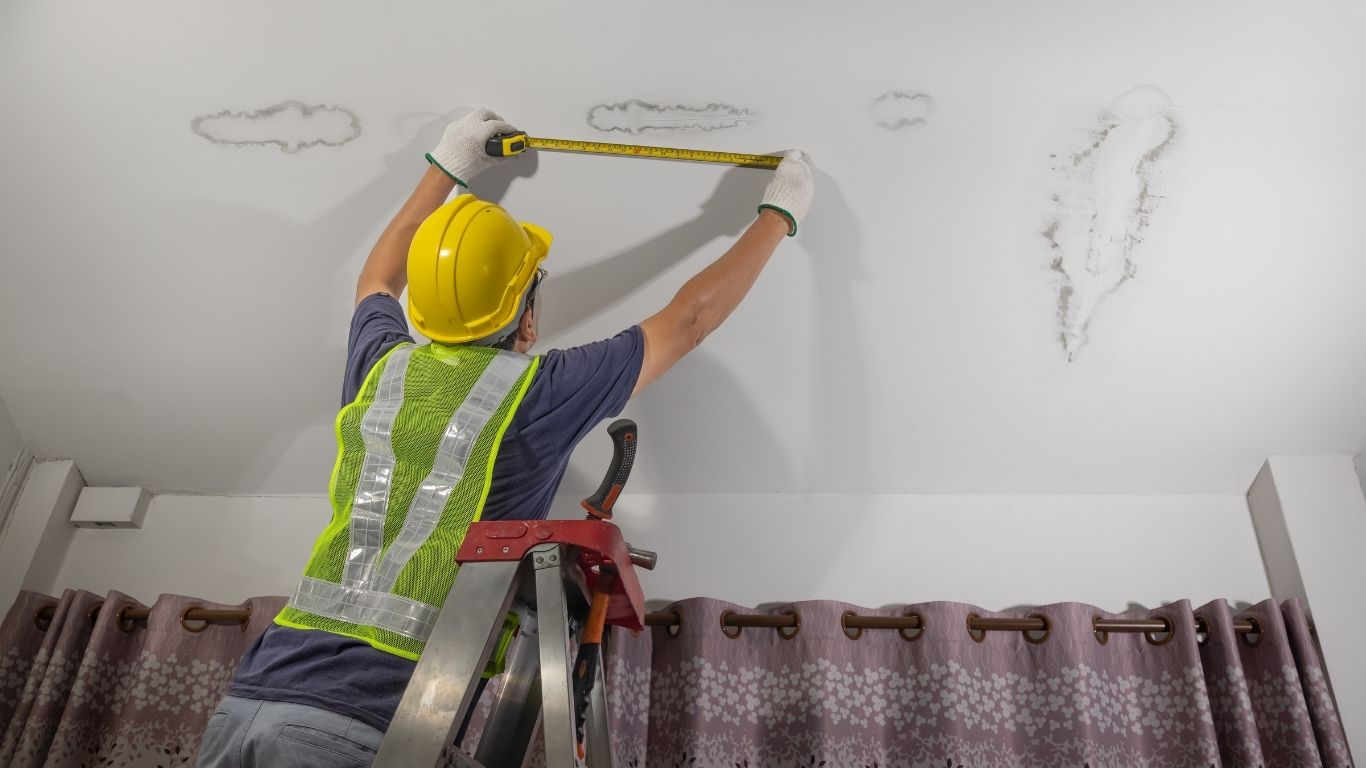
- Brown or yellow stains on ceilings
- Damp spots around walls or windows
- Dripping water during or after rainfall
- Musty smells in upper rooms or attics
- Damp insulation
- Peeling paint or bubbling drywall
- Warped flooring near affected areas
A little stain doesn’t necessarily mean you have major damage. It does mean water has found a way inside, and that deserves attention.
Roof Areas That Need Extra Attention
Some spots of your roof face more exposure to water and weather than others. Checking these areas before fall storms can help identify potential trouble.
Shingles
Look for shingles that appear cracked, curled, loose, or missing. Damaged shingles can leave the roof underneath exposed to rain.
Flashing
Flashing helps cover the spots where the roof touches c himneys, vents, walls, and other structures. Damaged or loose flashing can create openings for water.
Roof Valleys
Roof valleys collect and direct large amounts of rainwater. Leaves and debris can also build up in these areas and interfere with drainage.
Gutters and Downspouts
Gutters play a major role in moving rainwater away from your home. When leaves clog them, water can overflow and collect near the roof, walls, or foundation.
How Clogged Gutters Can Contribute to Water Damage
Fallen leaves seem harmless at first, but they can create a real drainage problem. A thick layer of leaves can block water from moving through gutters and downspouts.
When that happens, rainwater may spill over the sides instead of flowing away from the house. In some cases, water can collect along the roof edge and find its way into vulnerable areas.
That is why it helps to keep gutters clean. It’s a simple part of preparing your home for fall weather, especially after trees around your property start dropping leaves.
Why Small Roof Leaks Can Become Bigger Problems
Water rarely stays in one place once it gets inside a home. It can move through insulation, drywall, wood, and other parts of the building.
A leak that starts above one room may eventually affect a larger section of the ceiling or wall. If moisture remains trapped, it can also create conditions that support mold growth.
Here’s how a small roof leak can develop into a larger restoration issue:
| Early Problem | Possible Result |
| Damaged shingle | Water enters the roof system |
| Small ceiling stain | Moisture spreads through drywall |
| Wet insulation | Insulation loses effectiveness and stays damp |
| Hidden moisture | Mold may develop |
| Ongoing leak | More extensive property damage |
That’s why it’s smart to address signs of water intrusion instead of waiting to see whether they disappear on their own.
What to Do If a Fall Storm Causes a Roof Leak
If a storm causes water to enter your home, safety should come first. Don’t climb onto a wet roof or enter an unsafe area to look for the source.
If you can do it safely, place a container beneath an active interior drip and move furniture or valuables away from the affected area. Take photos and videos of visible damage for your records.
Avoid major repairs during or immediately after a storm. A professional can assess the damage and determine how far the water has traveled.
If you need to protect your Sevierville roof from fall storm leakage after damage has already occurred, quick attention can help prevent a manageable issue from becoming a much larger restoration project.
How Professional Restoration Helps After Roof Leakage
When storm water gets inside, your roof is not the only problem. Water may also hit ceilings, walls, and floors. It can damage insulation too. Personal items can be ruined as well.
Damage Inspection
Professionals can inspect affected areas and search for visible and hidden moisture. Moisture detection equipment can help locate damp materials that aren’t obvious from the surface.
Water Removal and Drying
Standing water needs quick attention. Professionals can remove excess water and use specialized equipment to dry affected materials.
Mold Prevention
Trapped moisture can create favorable conditions for mold. Thorough drying helps reduce that risk.
Cleanup and Restoration
When the affected areas are fully dry, you can clean, repair, or replace damaged materials as needed. The goal is to return the affected space to a safe and comfortable condition.
At All Dry Services of East Tennessee, we focus on the damage inside your home, not just the visible problem on the roof. That broader view can help uncover issues that might otherwise go unnoticed.
How to Prepare Your Roof for Fall Storms
You can’t control the weather, but you can take steps to reduce the chance of storm-related problems.
Before fall storms become frequent, consider:
- Keeping gutters and downspouts clear
- Checking for missing or damaged shingles
- Looking for damaged flashing
- Keeping tree branches away from the roof
- Checking your attic for signs of previous leaks
- Watching for stains or musty odors after heavy rain
Regular attention won’t guarantee that your roof will withstand every storm, but it can help you catch small problems before severe weather puts more stress on them.
When to Call All Dry Services of East Tennessee
You should not wait for a ceiling to drip before getting professional help. Even a small sign of water intrusion deserves attention, especially after a major storm.
Consider contacting All Dry Services of East Tennessee if you notice:
- New ceiling or wall stains after rainfall
- Water dripping inside your home
- Damp attic insulation
- Musty odors after a storm
- Wet flooring or drywall
- Signs of hidden moisture
- Water damage that keeps returning
Our team can help assess the situation and explain what may need to happen next.
Keep Fall Storms From Turning Into Bigger Repairs
You can’t stop a fall storm from rolling through Sevierville, but you can take steps to limit the damage it causes. Check the roof for any loose spots or damage. Also, keep an eye out for early signs of water getting inside.
If a storm does send water into your home, don’t ignore the problem just because the rain has stopped. Moisture can continue causing damage long after the clouds clear.
At All Dry Services of East Tennessee, we understand how stressful unexpected water damage can be. If you need help after a storm, our team can assess the affected areas, address moisture, and help you understand your restoration options.
Taking action early is one of the best ways to protect your home when fall storms arrive.
To stay current with us, please follow our Facebook and LinkedIn pages.
