

 423-225-8753

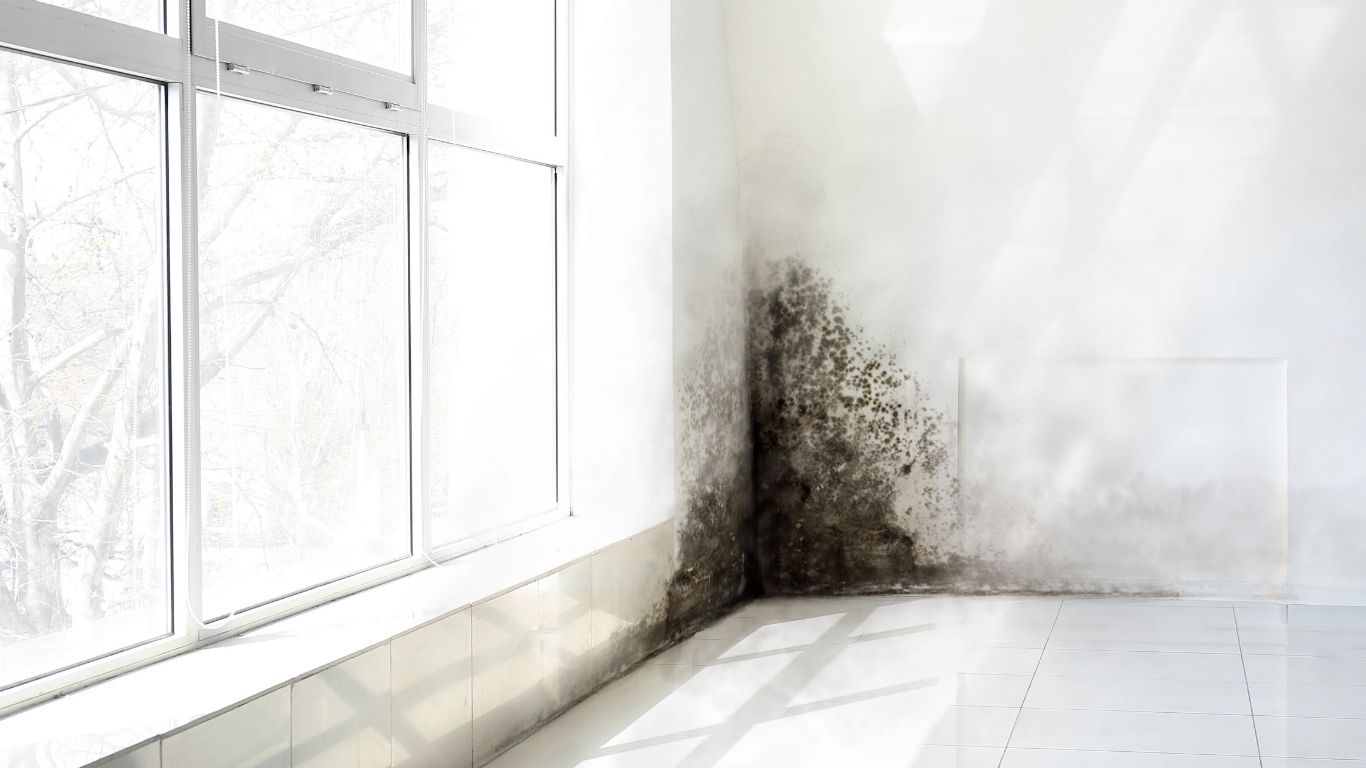
Autumn Leaf Decay and Hidden Mold in Bristol, TN
Fall in Bristol brings cooler days, colorful trees, and plenty of leaves around the yard. But once those leaves pile up, they can create more than a seasonal cleanup job. Wet leaves hold moisture, block drainage, and can contribute to conditions that encourage mold growth around your home. Understanding the connection between autumn leaf decay and hidden mold in Bristol, TN can help you spot moisture problems before they become harder to manage.
Leaves themselves don’t sprout mold inside your house. The real threat is the water they trap against your home when they block a gutter or bank against the foundation. Once that trapped moisture leaks past your walls, indoor mold takes off.
At All Dry Services of East Tennessee, we know that mold isn’t always easy to spot. Sometimes, the first clue is a musty smell or a small water stain. Other times, mold can grow behind a wall or under flooring without any obvious signs.
How Autumn Leaves Can Create Moisture Problems
Fallen leaves can absorb and hold a surprising amount of water. After several rainy days, a pile of leaves can stay damp for quite a while. When leaves collect in gutters, downspouts, or drainage areas, they can also prevent water from moving away from your home.
That creates several possible trouble spots:
- Clogged gutters can cause rainwater to spill over the sides.
- Blocked downspouts can push water toward the foundation.
- Wet leaves against exterior walls can keep surfaces damp.
- Poor drainage can increase moisture around basements and crawl spaces.
- Damp organic debris can create a good environment for mold outdoors.
This doesn’t mean every pile of leaves will lead to mold. However, regular maintenance becomes especially useful during a wet fall.
Where Hidden Mold Can Develop
Once moisture enters your home, mold doesn’t need a large puddle to grow. A small leak or damp area may provide enough moisture for mold to develop.
Basements and Crawl Spaces
Basements and crawl spaces are notorious moisture traps. Water constantly sneaks in through cracked foundations, bad drainage, or dripping pipes, and damp leaf piles piled against the outside wall only make it worse by keeping the surrounding dirt soaked.
Crawl spaces deserve extra attention because homeowners don’t always visit them often. A musty smell, damp insulation, or visible discoloration can signal a moisture issue.
Attics and Roof Areas
Poor roof drainage pushes water right past broken shingles and loose flashing. Once moisture reaches attic insulation or wood framing, mold can grow in areas that remain out of sight.
Behind Walls and Under Flooring
Leaks don’t just sit where they land; they travel. It can move behind drywall and underneath flooring. These enclosed spaces can trap moisture and create a place for mold to grow without obvious signs.
Signs You May Have Hidden Mold
Mold can sometimes announce itself with a strong musty smell. Other times, you’ll notice physical changes in your home first.
Watch for signs such as:
- A damp, earthy odor that won’t go away
- Yellowish or dark water stains creeping across walls or ceilings
- Paint that’s peeling off or wallpaper that’s starting to bubble
- Floorboards or trim that look warped and buckled
- Individual rooms that constantly feel heavy, humid, or clammy
- Mold spots that pop right back up after you wipe them down
- Random condensation pooling along walls or window frames
These signs don’t automatically prove that mold exists. They do, however, suggest that you should investigate the moisture source.
Why Bristol’s Fall Weather Can Add to the Risk
Bristol’s changing fall weather can create a mix of rain, cooler temperatures, and shifting humidity. Outdoor moisture can find its way into areas of a home that already have poor ventilation or drainage.
Temperature changes can also lead to condensation. When warm, humid air hits a cold window or wall, it creates condensation, and if that sweating happens day after day, mold is almost guaranteed to follow.
The key point is simple: mold needs moisture. Controlling moisture gives you a better chance of controlling mold.
| Moisture Source | Where It May Lead | What to Watch For |
| Clogged gutters | Walls and foundation | Water stains or damp exterior surfaces |
| Blocked downspouts | Basement or crawl space | Damp soil or musty odors |
| Roof leaks | Attic and ceilings | Stains or wet insulation |
| Plumbing leaks | Walls and flooring | Swelling or discoloration |
| Condensation | Windows and walls | Damp surfaces or peeling paint |
Why Hidden Mold Can Be Hard to Find
Visible mold usually gets attention quickly. Hidden mold doesn’t offer that same warning.
Mold can grow behind drywall, beneath flooring, inside insulation, or around pipes. You may not see anything unusual until the growth becomes extensive. In some cases, a musty odor may provide the first clue that something isn’t right.
That’s where a professional inspection can help. Moisture meters and thermal imaging equipment can help locate areas that need a closer look. They aren’t a substitute for an expert eye, but they’re great for sniffing out hidden dampness inside walls and floors.
At All Dry Services of East Tennessee, we look at the moisture problem as well as the visible signs. Finding the source matters because cleaning mold without addressing it can let the problem return.
How Professional Mold Inspections Help
A professional inspection starts with a careful look at the property. The tech isn’t just looking for obvious patches of mold; they’re hunting down water leaks, damp spots, and the exact conditions letting spores thrive.
Moisture detection can then help identify damp areas that aren’t obvious. Depending on the situation, air or surface sampling may also provide additional information.
The goal isn’t to make homeowners worry about every dark spot they find. It’s to give them useful information so they can understand what’s happening and decide what to do next.
A professional mold inspection in Bristol can be especially helpful when a homeowner notices repeated mold growth, unexplained odors, or moisture that keeps returning.
Why DIY Mold Cleanup May Not Solve the Problem
Cleaning a small visible area may seem straightforward, but hidden moisture can complicate the situation. If mold grows behind a wall or under flooring, surface cleaning won’t reach the source.
Going to town with a scrub brush actually makes things worse by kicking mold spores into the air. Plus, spraying regular household cleaners might make the surface look shiny again, but it does zero to fix the dampness trapped underneath.
Professional help makes sense when you can’t identify the source, the affected area keeps growing, or mold keeps returning.
The same idea applies to fall leaf decay. Removing leaves from your yard helps, but you also need to address the moisture conditions that could allow problems to develop inside the home.
How to Reduce Mold Risks This Fall
A few routine maintenance tasks can help keep moisture under control during the wetter months.
Homeowners can:
- Clean leaves from gutters and downspouts
- Keep leaves and organic debris away from the foundation
- Check the roof for damaged areas
- Make sure water drains away from the home
- Watch for plumbing leaks
- Keep damp rooms properly ventilated
- Check basements and crawl spaces after heavy rain
Doing this won’t completely protect your house from mold, but it drastically reduces the chances of spores taking hold.
When to Call All Dry Services of East Tennessee
You don’t need to wait until you see a large patch of mold before asking for professional guidance. Persistent moisture or unusual odors can provide an early warning.
Consider contacting All Dry Services of East Tennessee when you notice:
- A musty funk that won’t go away
- Mold that keeps sprouting back after you scrub it
- Leftover water from a recent flood or plumbing leak
- Unusually soft or damp building materials overhead or underfoot
- Wet conditions trapped down in a crawl space or basement
- Suspected mold growth hiding inside walls or under floorboards
Getting the moisture problem checked early can help you understand whether mold exists and how far the issue may extend.
Keep Moisture From Turning Into a Bigger Problem
Falling leaves decomposing on your lawn won’t magically start mold inside. What you should worry about is wet leaf buildup clogging your drains, backing water into the house, or sealing in dampness along the walls.
If you notice musty odors, water stains, or repeated mold growth, don’t ignore them. A professional inspection can help uncover hidden moisture and give you a clearer picture of what’s happening.
At All Dry Services of East Tennessee, we believe homeowners should have straightforward information before deciding how to handle a mold concern. Whether you’re dealing with a recent leak or simply trying to understand an unusual smell, professional guidance can help you take the next step with confidence.
When fall cleanup starts, don’t forget to look beyond the leaves. Keeping moisture under control can go a long way toward keeping your home comfortable, dry, and ready for the season ahead.
To stay current with us, please follow our Facebook and LinkedIn pages.
